%20(3%20%C3%97%203%20in)%20(1).png)


Navigating Cancel Culture in Your Influencer Campaigns: How to Protect Your Brand Reputation
- The Modern Day Fisherman

- Aug 5, 2025
- 3 min read
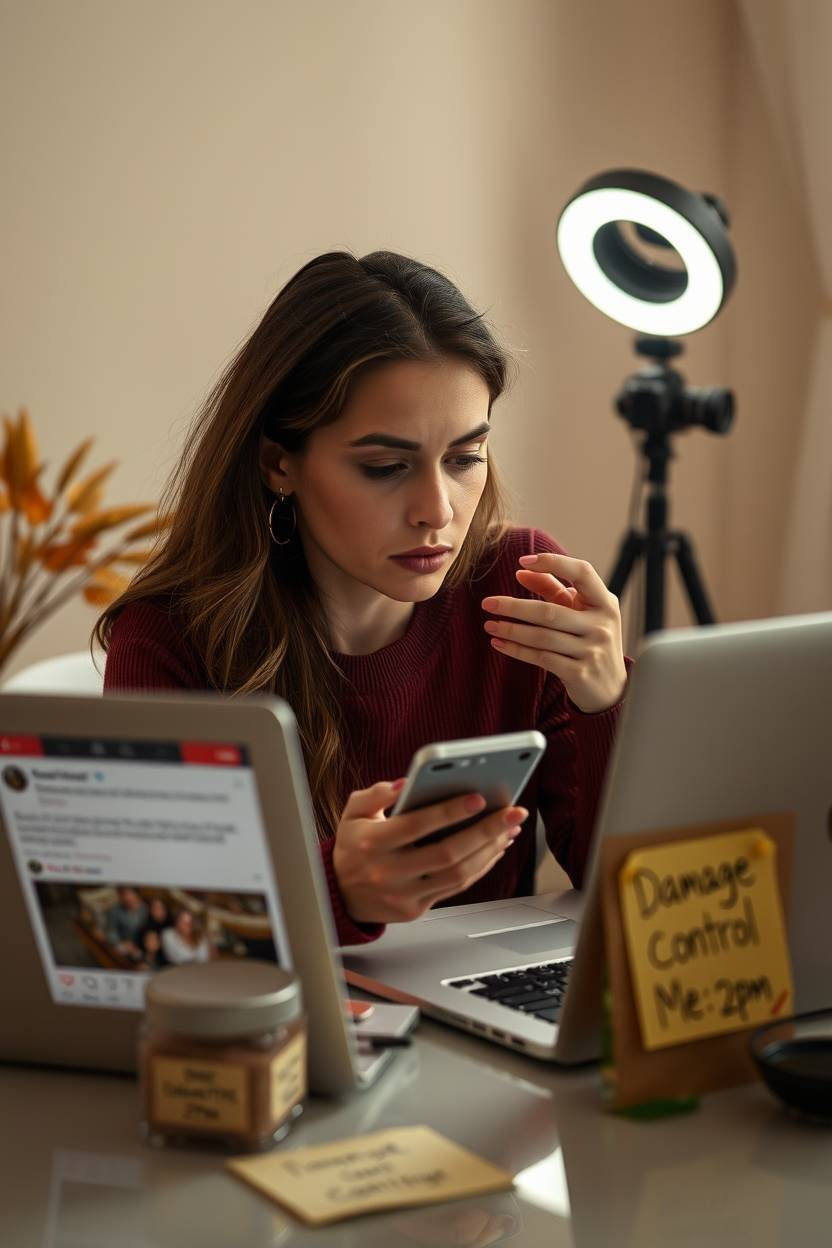
Like it or not, cancel culture — the public backlash movement to "call out" or boycott individuals and brands has become a permanent fixture of the online landscape.
What once simmered in niche forums now plays out on global stages like Twitter, TikTok, and Instagram. That means your brand isn’t just being evaluated by your own messaging, but by everyone associated with you, especially your influencer partners.
And when you're investing in influencer campaigns, one bad move from a creator could unravel your reputation overnight.
So how do you navigate cancel culture without becoming its next target? Let’s break it down.
What Is Cancel Culture?
Cancel culture is a collective form of public backlash — usually via social media — against a person, brand, or entity for behaviors or beliefs considered offensive, problematic, or out of alignment with community values.
It can:
Ruin careers
Trigger mass boycotts
Spark PR crises
Damage long-standing brand loyalty
While it’s not new (public backlash has existed for centuries), the speed and visibility of social media make cancel culture more immediate, more viral, and more unforgiving than ever before.
How Cancel Culture Affects Influencer Campaigns
In today’s environment, silence is seen as complicity. Consumers expect brands to take a stand on social and ethical issues.
But it’s not just your brand voice being judged — your influencer partners are under the microscope too.
If an influencer you’re working with says or does something offensive, your brand can be caught in the crossfire, even if you weren’t directly involved.
64% of consumers say they’ll stop supporting a brand if it takes the wrong stance (or stays silent) on important issues.
That means it’s your job to vet influencers properly — and be ready with a crisis plan in case things go sideways.
How to Avoid Influencer-Driven PR Nightmares
Here’s how to protect your brand before an issue arises.
1. Know Your Brand DNA — and Stick to It
Your influencer shouldn’t just “look the part” or match your aesthetic. They should reflect your brand’s core values in what they post, support, and believe.
Ask yourself:
What does our brand stand for?
What topics do we publicly support (or avoid)?
Would our audience see this partnership as authentic — or performative?
Example: If you’re a sustainable skincare company, don’t just partner with a model. Choose someone who actively lives a sustainable lifestyle — not someone who flies private jets between fast fashion hauls.
2. Research Influencers Beyond the Feed
Don’t just look at follower count or their latest Instagram Reel. Dig deeper.
Ask:
How do they respond to followers?
What causes do they support (or mock)?
Have they had past controversies?
Do they show consistency in their values?
Browse their old tweets. Check YouTube interviews. Look for red flags early so you don’t regret it later.
Bonus Tip: Make it a two-way relationship. Let influencers explore your brand values and mission, too. When they understand what you stand for, they’re more likely to act responsibly as brand ambassadors.
What to Do If Your Influencer Gets Canceled
Sometimes, even after all the due diligence, things still blow up.
If your influencer partner is under fire — don’t panic. But don’t stay silent either.
1. Address the Issue Swiftly
Even if it wasn’t your fault, your silence can look like complicity.
Let your audience know:
You’re aware of the situation
You’re assessing your brand’s relationship with the influencer
You’re listening to your audience’s concerns
Example: When Chrissy Teigen faced backlash, several of her partners — like Target and Macy’s — immediately distanced themselves with concise public statements.
2. Be Transparent
Let your audience know whether:
The partnership has ended
The influencer is being held accountable
You’re updating your vetting process moving forward
Pro Tip: If the controversy is minor or accidental, lean into humor or humility. For instance, when Scott Disick accidentally posted a copy-pasted caption from Bootea's brand brief, fans called it out fast. A better move from the brand? Use it as a meme moment or behind-the-scenes promo — turning a fail into relatable content.
The Bigger Picture: Cancel Culture Can Be a Mirror
According to research by Porter Novelli, 65% of consumers see cancel culture as a chance for brands to grow and improve — not just to punish.
That means:
Listen to feedback
Engage in authentic conversations
Refine your values and partnerships over time
And don’t avoid tough conversations. Consumers respect brands that stand for something more than those that try to please everyone.
Final Thoughts: Be Proactive, Not Reactive
Cancel culture isn’t going anywhere, but your brand doesn’t have to fear it.
When you:
Choose influencers who align with your core mission
Vet thoroughly (not just superficially)
Communicate transparently during a crisis
Own your response with clarity and speed
…you position your brand as resilient, responsible, and human.
In a world of call-outs, authenticity and integrity win.


Comments